Kāhu Deterrence using the Rofalcon
Aim: To begin an assessment of whether the Rofalcon can be used as a deterrent method to keep real Kāhu (Circus approximans) away from areas of interest (such as Tara iti (Sternula nereis davisae) nesting sites during summer).
Research Questions:
- Are Kāhu attracted to the Rofalcon when it flies in areas they usually visit to find prey?
This will help us understand if the Rofalcon could accidentally draw more attention from Kahu instead of scaring them away.
- Are Kāhu deterred by the Rofalcon when it flies in areas they usually visit to find prey?
This will help us understand if the Rofalcon can actually be used to keep local Kāhu away from areas housing vulnerable prey animals such as the Tara iti.
- Do Kāhu respond differently to the Rofalcon during their breeding season compared to the non-breeding season?
We know that Kāhu are much more territorial during the breeding season, so it’s important to see if timing throughout the year affects how well the Rofalcon works as a deterrent.
Supplementary Feeding Kāhu Nests
Aim: Using supplementary (diversionary) feeding in an attempt to influence the foraging behaviour of nesting Kahu (C. approximans).
Research Question:
- Will providing alternative food to Kāhu near their nests, have an effect on the numbers of birds they hunt by shifting their diet composition toward the supplementary food?
If nesting Kāhu are provided with enough accessible food to raise their chicks, it is suggested that they will place less predation pressure on local species, as their needs are already met.
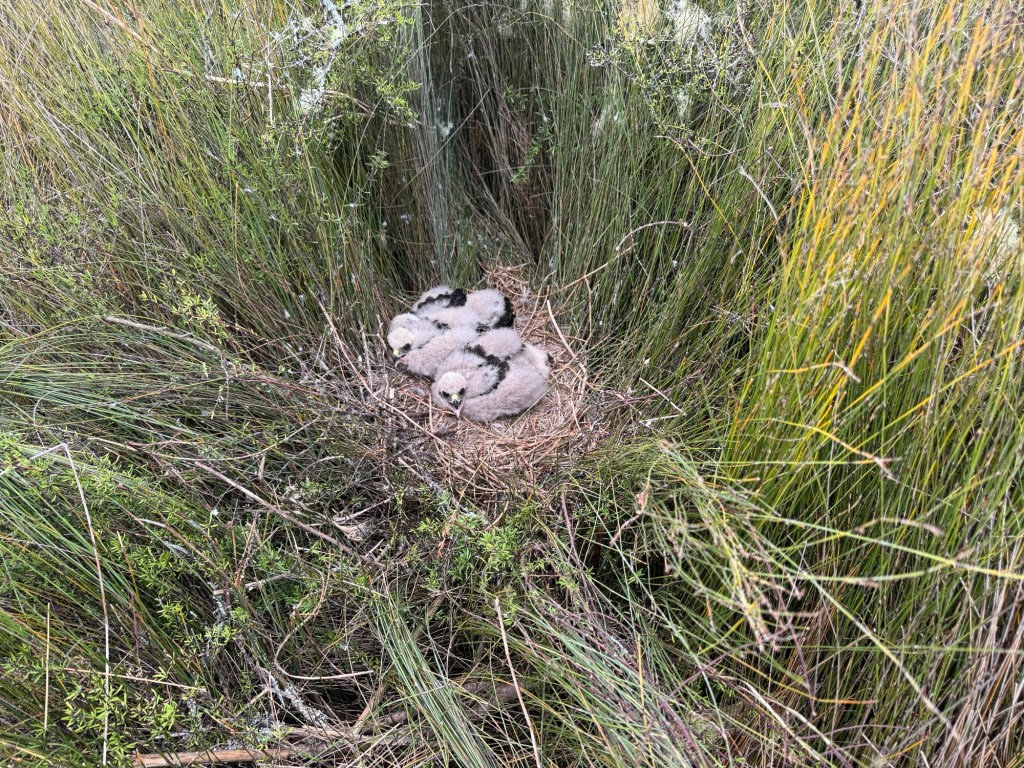
Image Credit: Dion Pou, Te Atatu Marae Whanau, Te Wai o Pareira Rivercare Trust.
 The Kāhu Project